Building a Fire Resistant Home
When the Fire Came, the House Stayed
Keith Kelsch
5/13/20263 min read
When the Fire Came, the House Stayed
There are moments in life that change how you think forever.
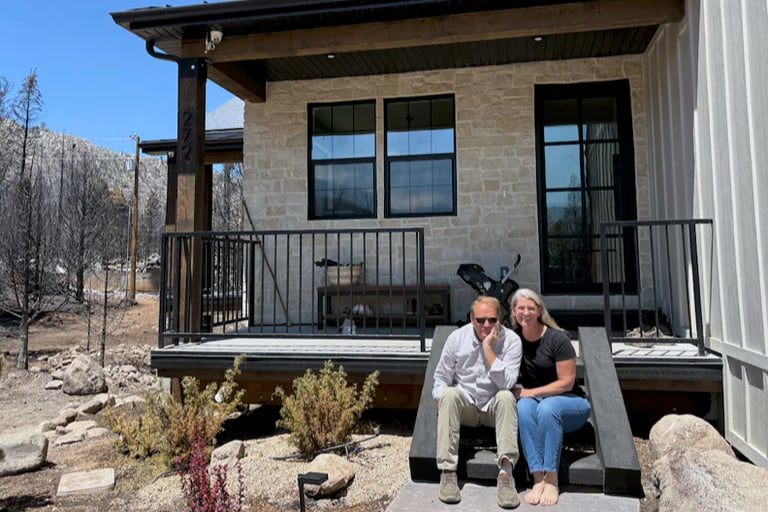
For my wife and me, that moment came only two weeks after moving into our newly completed home in Pine Valley, Utah. We had barely unpacked when we saw smoke rising over the mountain ridge during an evening picnic in St. George. By the time we reached home, the wind had shifted, flames were cresting the ridgeline, and evacuations had already begun.
That night, the Forsyth Fire tore through Pine Valley.
Homes burned to the ground. Cabins vanished. Entire pockets of forest were reduced to black ash. My mother-in-law lost her cabin just one cul-de-sac away. Families lost irreplaceable keepsakes, memories, and pieces of their history.
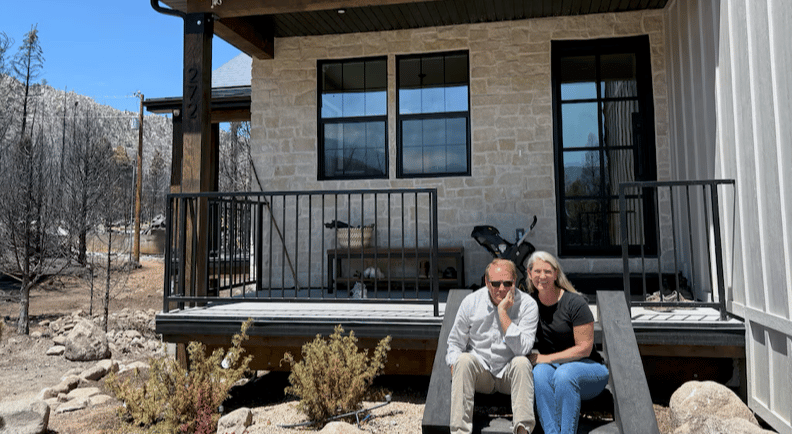
But our home survived.
Not because of luck.
Because we built it differently.
Building for Reality, Not Assumption
At Kelsch Construction, we have spent years studying resilient building science — not theoretical concepts, but practical systems that perform under real-world stress. Fire, heat, ember intrusion, wind exposure, moisture cycling, and thermal failure are all realities that mountain and desert homes increasingly face.
The Forsyth Fire became a real-world test.
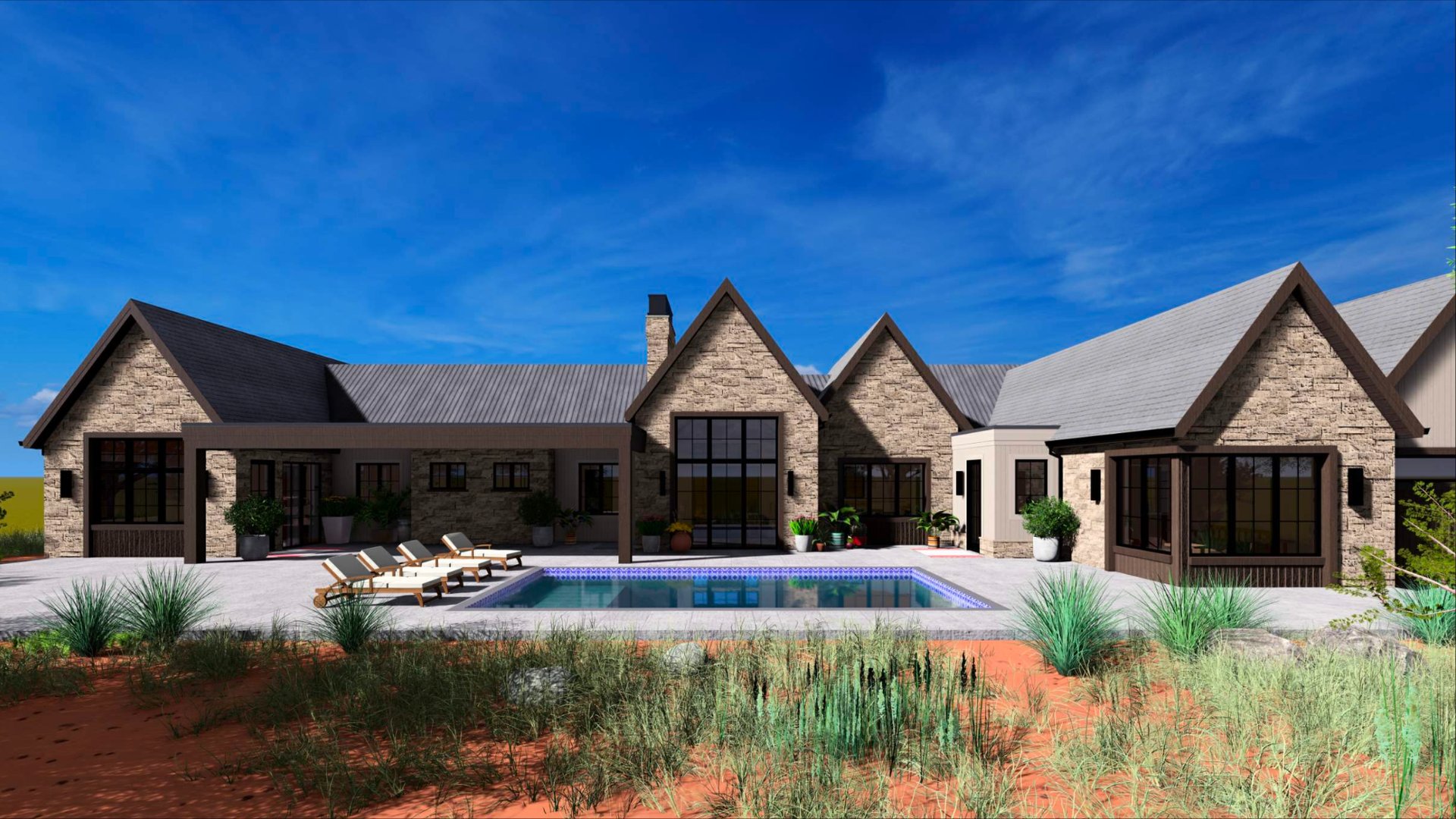
Our home was built with wildfire-resilient principles that included enclosed eaves, ignition-resistant siding, Class A roofing systems, mineral wool continuous exterior insulation, tempered glazing, protected soffits, and hardened exterior assemblies.
One of the most important systems was the use of rigid mineral wool insulation behind the exterior cladding. Unlike many foam-based products that can melt, deform, or contribute to smoke and flame spread under extreme heat, mineral wool remains stable under very high temperatures.
In the aftermath of the fire, I showed reporters the wall assembly itself — cement board siding layered over mineral wool insulation — and explained plainly:
“This is also why my home didn’t burn down.”
The Future of Building in the West
The American West is changing.
Longer drought cycles, fuel buildup, wind-driven fires, and expanding wildland-urban interface zones are no longer rare events. They are becoming part of the new reality of building in mountain and rural communities.
The old way of building is increasingly incompatible with the environments we build in.
We believe homes in wildfire-prone areas should be treated with the same seriousness as homes built in flood zones, seismic zones, or unstable soils. Building science matters. Materials matter. Details matter.
The good news is that resilient construction is achievable.
Many of the systems we advocate are not futuristic technologies. They are practical, available, and proven methods that dramatically improve survivability while also increasing energy efficiency, acoustic performance, and long-term durability.
A Responsibility to Build Better
After the fire, I presented wildfire-resilient building recommendations to the Washington County Planning Commission with the hope that stronger standards and clearer protocols can eventually help homeowners, firefighters, insurers, and entire communities.
This is not about fear.
It is about wisdom.
When homes are built to resist ignition and ember intrusion, firefighters have a greater chance to defend communities safely. Families have a greater chance to return home. Insurance markets stabilize. Entire neighborhoods become more resilient.
As I told The Salt Lake Tribune:
“I want to make life better and easier for firefighters, not worse. And I think we can do that.”
We Build for the Long Game
At Kelsch Construction, we specialize in luxury mountain homes, resilient homes, energy-efficient homes, and thoughtfully engineered structures designed for the realities of the modern West.
Beauty matters.
Craftsmanship matters.
But survivability matters too.
When the fire came, the house stayed.
And that experience permanently changed how we believe homes should be built moving forward.
For more on building a fire resistant home, see KelschConstruction.com