Cool Roofs
The Forgotten Principle of Passive Cooling
Keith Kelsch
10/25/20252 min read
Cool Roofs: The Forgotten Principle of Passive Cooling
Core Thesis: The temperature of a home is largely determined by its roof, and most modern roofing systems—especially asphalt shingles—work against thermal efficiency.
Traditional methods like lime wash reveal a simpler truth: Reflect heat first. Don’t fight it later.
1. The Roof Is the Primary Heat Load
The roof receives the highest solar exposure of any building surface
In hot climates, it becomes the main source of heat gain. Heat radiates into attic space, then into living areas where it Increases cooling demand. Principle: Control heat at the roof—not inside the house
2. Asphalt Shingles: A Heat Trap
Dark, dense materials absorb solar radiation. Surface temps can reach: 140°F–170°F+. They store heat and re-radiate it downward into the structure, even at night: They continue releasing stored heat
Result: Higher attic temperatures equal increased HVAC load. Reduced energy efficiency.
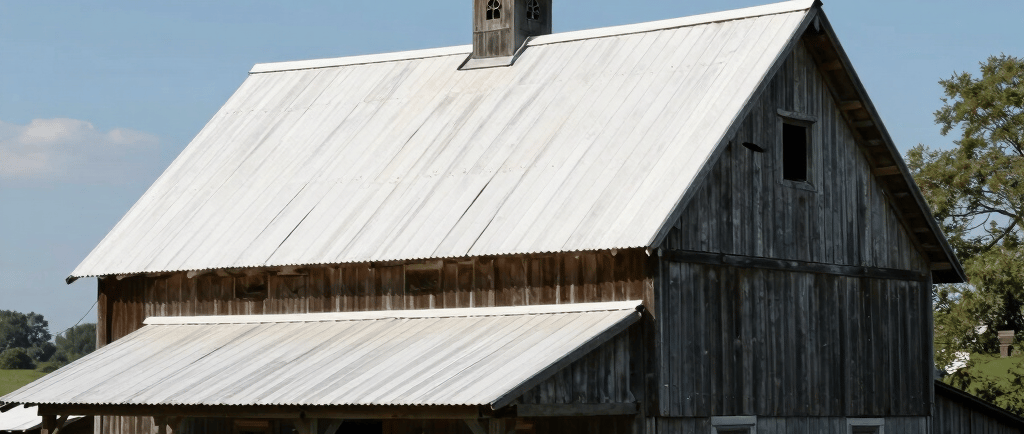
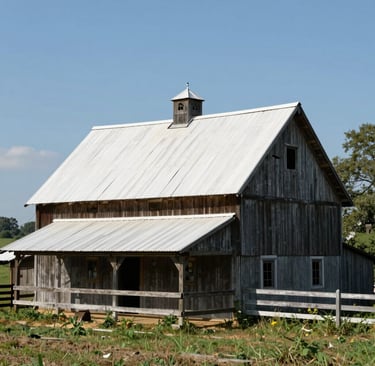
3. The Amish Insight: Lime Wash Roofing
Traditional practice: applying lime-based whitewash to roofs function: Reflect sunlight, reduce heat absorptio. Lime wash properties include:
High reflectivity (albedo),
Breathable
Antimicrobial
Low cost
Principle: A white or reflective surface dramatically reduces heat gain
4. Cool Roof Science (Modern Validation)
Research confirms what traditional builders already knew: Reflectivity (Albedo), or light-colored surfaces reflect more solar energy and can reduce roof temps by 30–50°F
Emissivity
Ability to release heat quickly
High-emissivity materials cool faster after sunset
Net Effect
· Lower attic temperatures
· Reduced cooling demand
· Improved interior comfort
5. Why Modern Roofing Got It Wrong
Focus shifted to:
Cost
Speed of installation
Aesthetic uniformity
Not:
Thermal performance
Long-term energy behavior
Asphalt dominance = convenience over performance
6. Passive Cooling vs Mechanical Cooling
Passive (Correct Approach)
Reflect heat before it enters
Reduce thermal load at the source
Mechanical (Common Approach)
Let heat in
Fight it with air conditioning
Principle:
Every degree blocked at the roof is cheaper than every degree cooled inside
7. Practical Applications
Best Options:
White or light-colored roofing
Metal roofs with reflective coatings
Lime wash (where applicable)
Cool roof-rated materials
Supporting Strategies:
Ventilated attic systems
Radiant barriers
Insulation (secondary, not primary defense)
8. The Bigger Pattern
This reflects a broader truth in building science:
Traditional methods often solved problems at the source,
while modern systems manage problems after they occur
Bottom Line: Your roof is either:
o A heat shield, or
o A heat battery
· Most modern homes are built with heat batteries
The simplest upgrade isn’t more insulation or bigger HVAC— it’s stopping the heat before it gets in.